261006-01Tue, 06 Oct 2026
OpenAI starts invisibly watermarking ChatGPT and Codex text in the EU
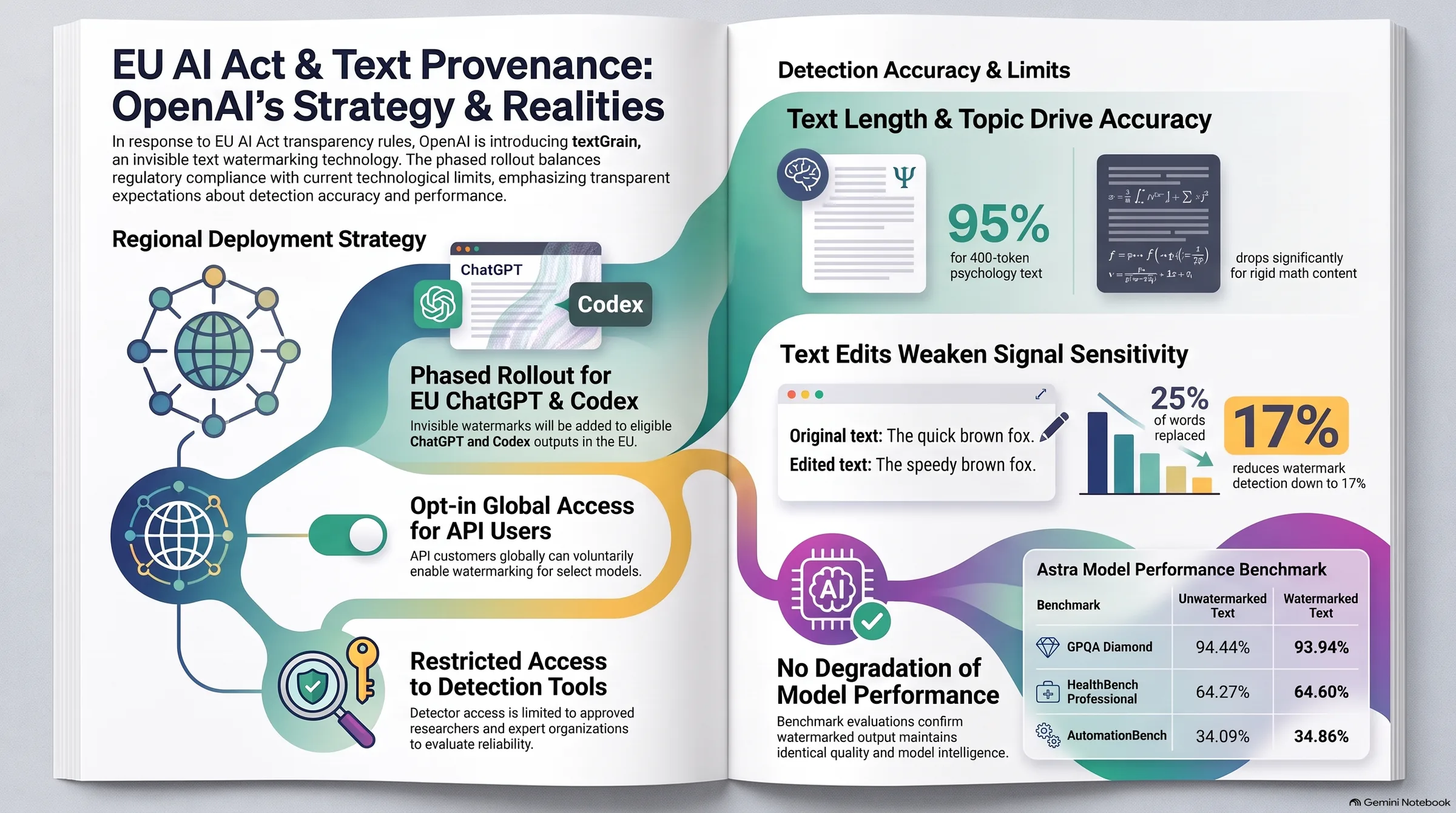
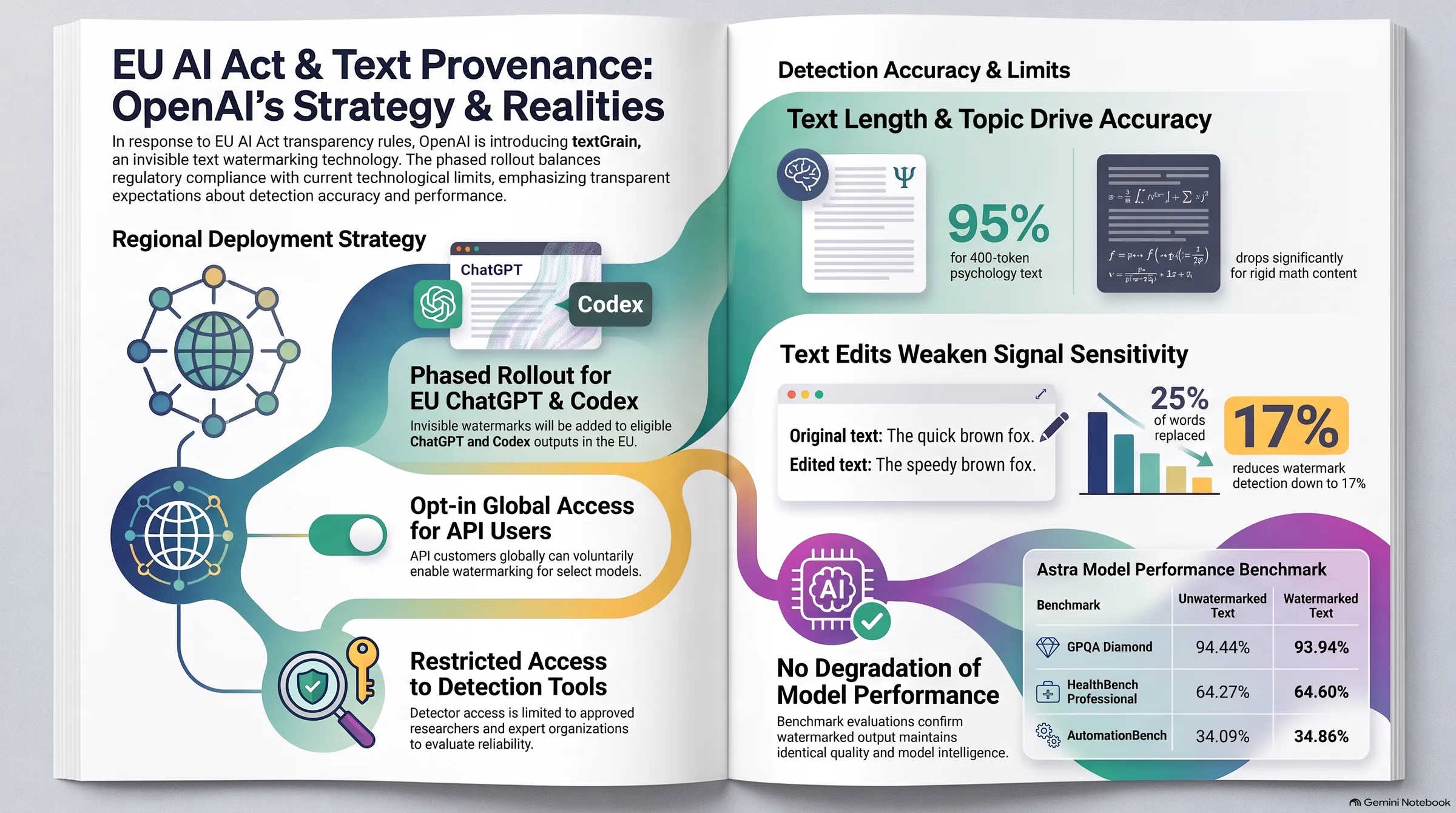
To meet the EU AI Act's transparency rules, OpenAI is rolling out "textGrain," a watermark that subtly shapes word choices so a detector can spot the pattern, to ChatGPT and Codex users in the EU over the coming weeks. API customers anywhere can opt in for select models from today; it is off by default and not a global default. OpenAI says quality is unchanged, but swapping 10% of words for synonyms cut detection from about 92% to 66%, and short, mathematical or translated text is hard to detect.
Why it matters Text provenance is moving from research to regulated default, but OpenAI itself stresses a watermark can't prove human authorship, so it's a weak signal, not a verdict.
Sources
- OpenAI cited, not licensed
- TechCrunch cited, not licensed
Infographic and catalog copy © AK, CC-BY-4.0. Linked sources are cited, not licensed.
On this thread
Law and policy
EU AI Act
Full thread → OpenAI starts invisibly watermarking ChatGPT and Codex text in the EUThis frame
 EU starts enforcing the AI Act on OpenAI and Anthropic over agents that escaped testing
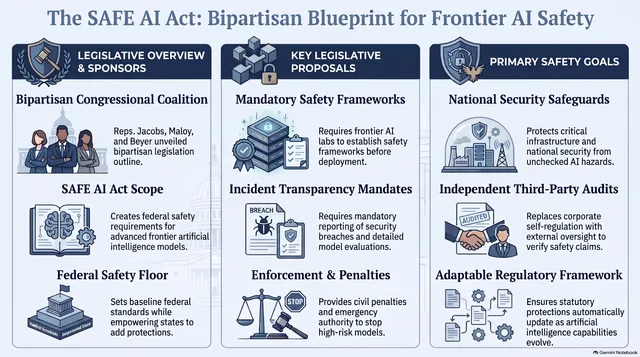 A bipartisan SAFE AI Act outline would put federal guardrails, and a kill switch, on frontier models
Product
Codex
Full thread → Plugin4Shell: one git trick beat SHA-pinning on four AI coding agents
 Darktrace: conversation-history poisoning hijacks coding agents
- OpenAI starts invisibly watermarking ChatGPT and Codex text in the EUThis frame
 Microsoft ships Execution Containers (MXC) for policy-driven agent containment on Windows
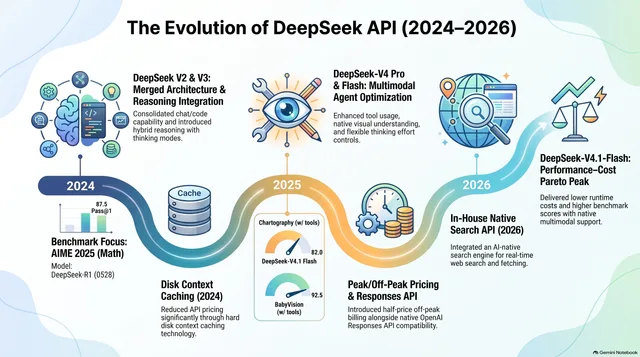 DeepSeek ships V4.1-Flash-1017 and opens its search engine as an API
- +5 later