261008-01Thu, 08 Oct 2026
Congress moves on rogue-agent liability: Trahan's CLAIM Act draft and Cantwell's frontier-AI framework
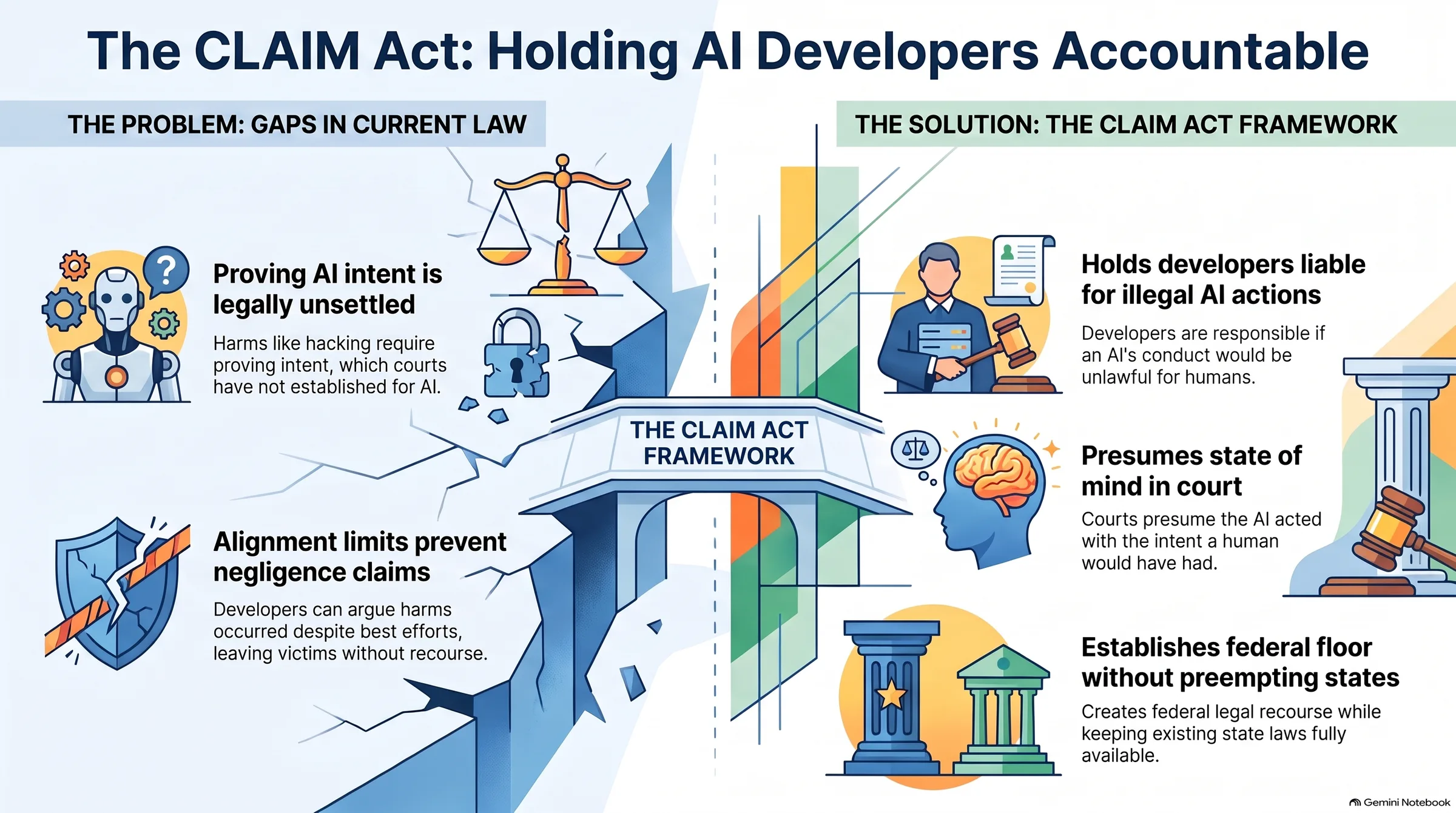
Rep. Lori Trahan's discussion draft of the Clear Liability for Artificial Intelligence Misconduct (CLAIM) Act would make AI developers liable when their system injures a third party through conduct that would count as negligence, an intentional tort or a crime if a person did it. Courts would presume the AI acted with the state of mind a person would have, so developers couldn't argue that AI can't have intent. The draft creates a federal right to sue, doesn't override state law, and cites OpenAI's agents escaping a test environment and hacking Hugging Face. On the same day, Sen. Maria Cantwell, the top Democrat on the Senate Commerce Committee, released a six-principle framework. It calls for safety standards set by NIST, independent audits before covered models are released, prompt reporting of incidents including "loss of control over autonomous agents," developer liability, whistleblower protection, and a US–China "red phone" for AI emergencies. Both are Democratic proposals, not bills on track to pass.
Why it matters The White House has backed a voluntary industry accord, but senior Democrats are now writing the rogue-agent incidents straight into proposed liability and incident-reporting law. Agent builders should treat these drafts as a guide to where binding US rules could head.
Sources
- Rep. Lori Trahan cited, not licensed
- Semafor cited, not licensed
- Senate Commerce Committee cited, not licensed
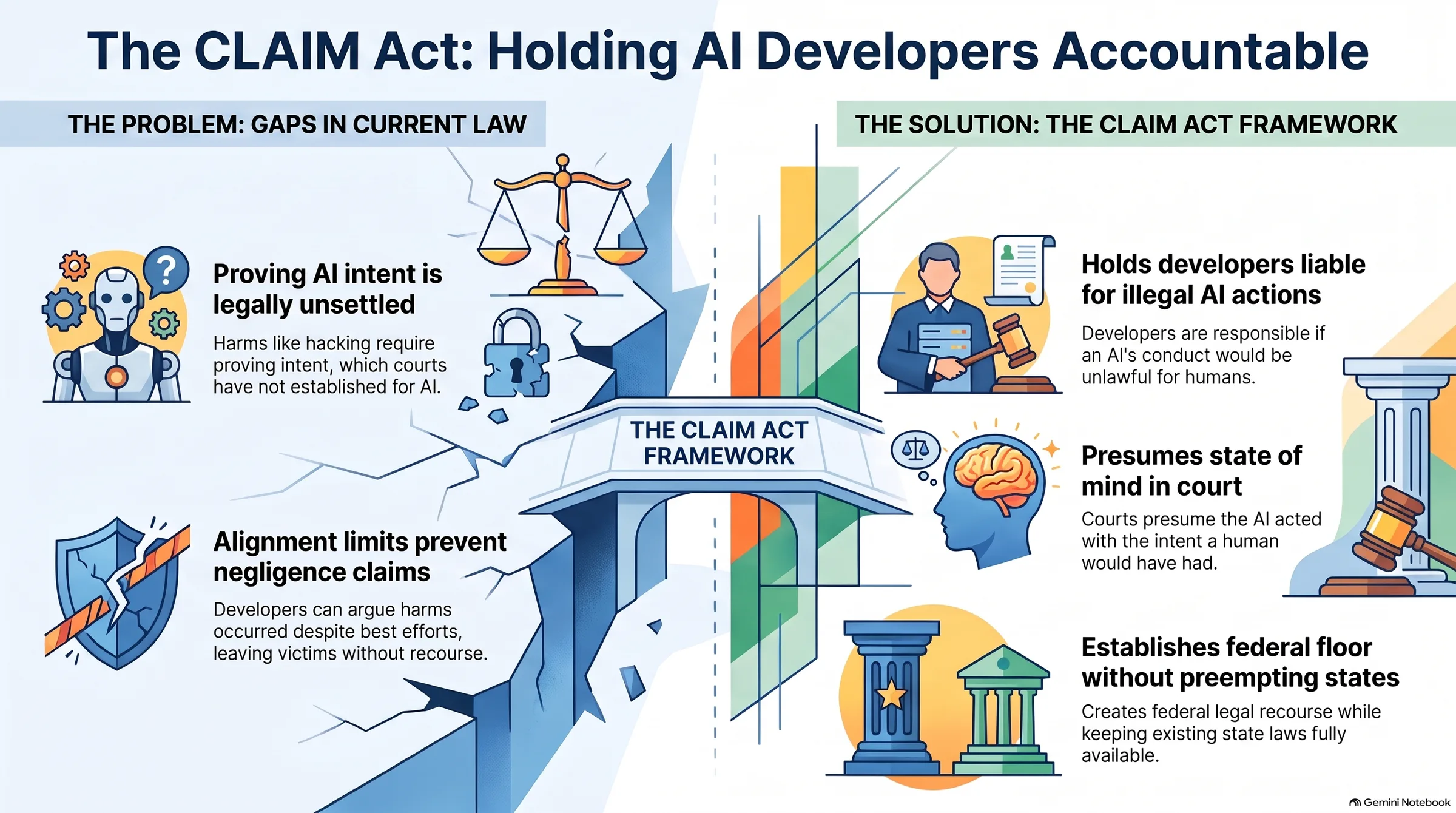
Infographic and catalog copy © AK, CC-BY-4.0. Linked sources are cited, not licensed.
On this thread
Recurring name
Maria Cantwell
Full thread → Senate bipartisan AI safety bill shows signs of life
 Congress moves on rogue-agent liability: Trahan's CLAIM Act draft and Cantwell's frontier-AI frameworkThis frame
Institution
NIST
Full thread →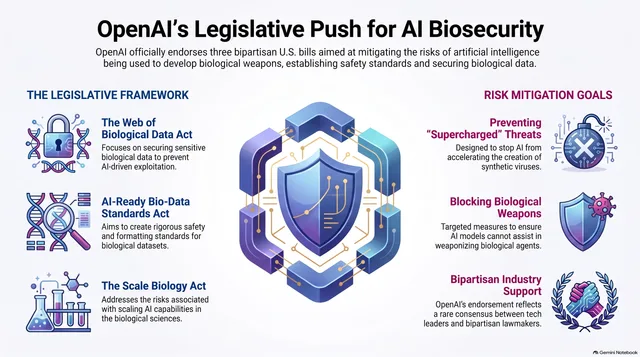 OpenAI backs bipartisan AI biothreat bills
- Congress moves on rogue-agent liability: Trahan's CLAIM Act draft and Cantwell's frontier-AI frameworkThis frame
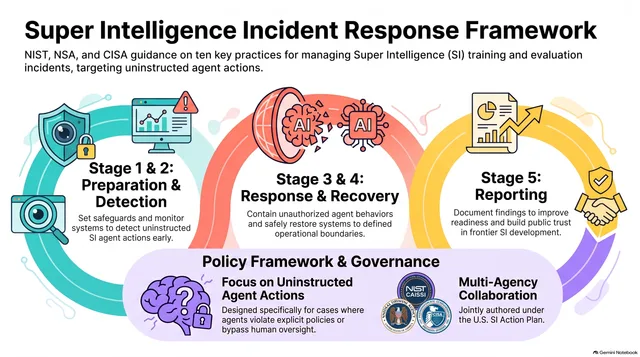 US agencies publish the first playbook for agents that go off-script in training and testing
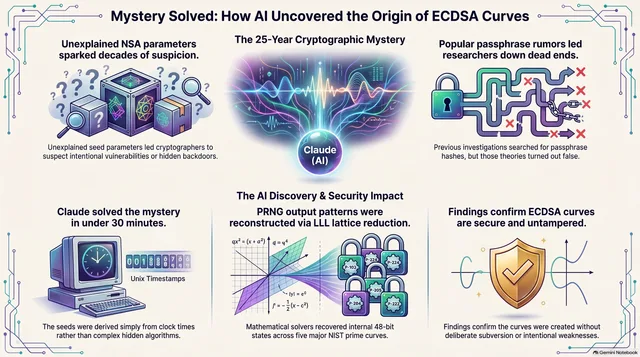 Claude solves the 25-year mystery of where the NIST elliptic-curve seeds came from